From the Middle East to California: The Desert Jewels of the American West


The Cinematic Landscape of Date Palm Cultivation
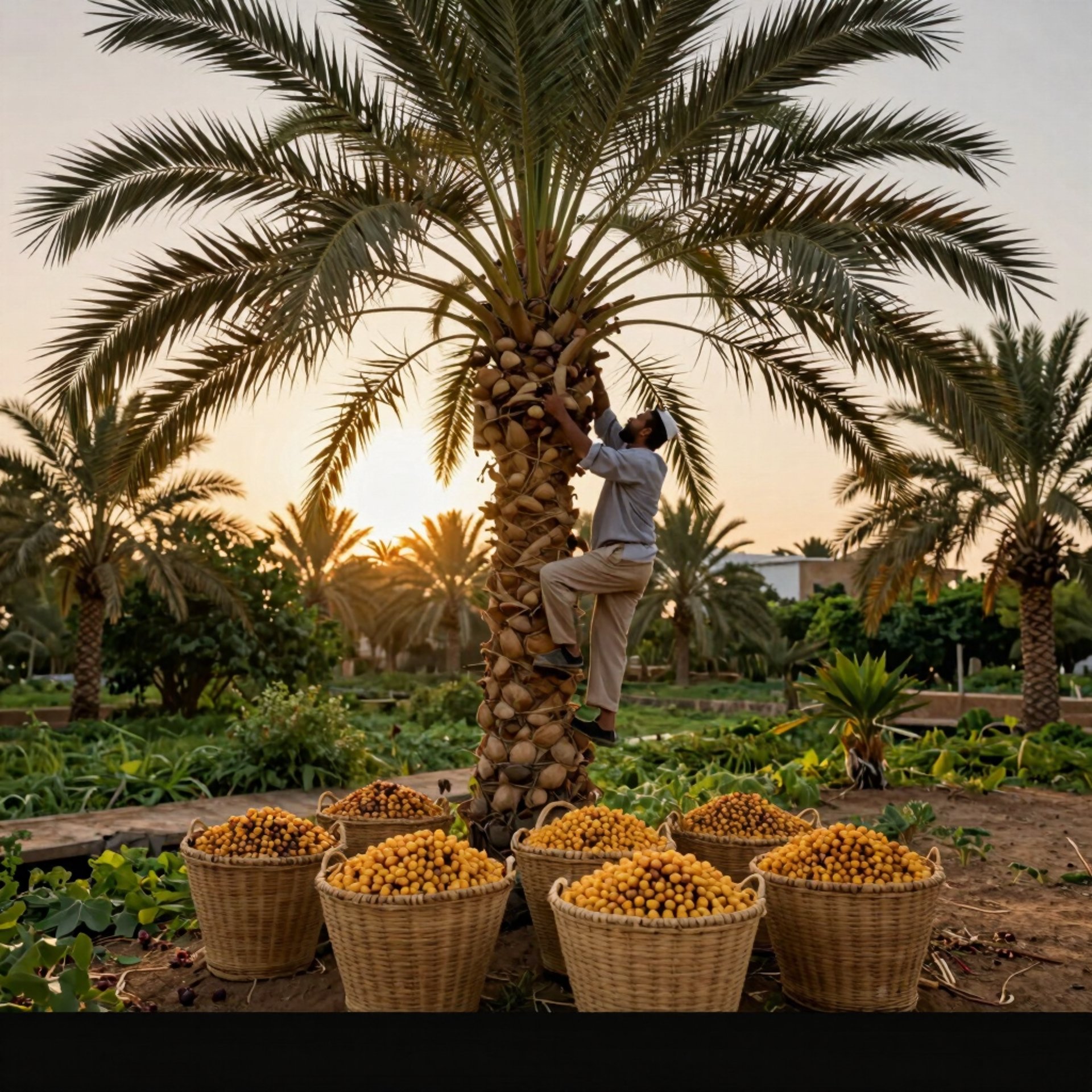
The Coachella Valley and the Arizona deserts present a captivating juxtaposition of landscapes that epitomize the essence of date palm cultivation. As you navigate through these arid terrains, the striking contrast between the dry, rugged soil and the swelling greenery of date palm plantations is truly breathtaking. Within the expanse of this seemingly inhospitable environment, the date palm thrives, serving as a testament to resilience and adaptation. This ancient crop, traced back to the Middle East, has not only found its new home in the American West but has also become a significant player in the agricultural landscape.
As one gazes upon the row upon row of towering date palms, their fronds swaying softly in the warm desert breeze, it becomes apparent that these trees are more than mere crops; they are a cultural symbol that unites people around the globe. The vibrant green of the palm leaves stands in stark contrast to the golden hues of the desert sand, creating a picturesque scene that is both visually arresting and spiritually uplifting. This stunning visual serves as a reminder of the historical journey the date palm has undertaken, transforming from a staple of ancient civilizations to a vital part of modern agriculture in the United States.
Furthermore, the cultural significance of date palms extends beyond their physical beauty. They embody traditions and culinary practices that have spanned centuries, linking the past with the present. The sweet fruit of the date palm is not only a source of nourishment, but also a symbol of hospitality and abundance in many cultures. In the Coachella Valley, these trees thrive under the California sun, showcasing how nature and human ingenuity can create a dynamic and fruitful partnership in one of the most unexpected desert settings.
The Historical Journey of Dates to America
Date palms, particularly the revered Deglet Nour variety, have a rich history that connects the arid landscapes of North Africa and the Middle East to the sunny plains of California and Arizona. The journey of these remarkable trees began centuries ago, as they were cultivated in ancient civilizations such as Mesopotamia and Egypt, where they were revered not only for their nutritional value but also for their cultural significance. The fruit of the date palm was considered a staple food and played a crucial role in trade across various regions.
In the late 19th century, interest in date cultivation in the United States grew, primarily due to the success seen in the production of citrus and other crops in arid regions. The pivotal moment came in 1898 when a group of American agricultural pioneers, recognizing the potential for date farming, imported seedlings from Egypt. Among these was the popular Deglet Nour, known for its exquisite taste and texture. These seeds were planted in the warm climates of Southern California, where they adapted remarkably well, thriving in the desert conditions.
Key figures such as William H. Moor and his associates undertook the task of establishing a commercial date industry in California. Moor, recognized as a leading horticulturist, was instrumental in the successful cultivation of date palms and established extensive orchards. His efforts coincided with the establishment of the U.S. Department of Agriculture's experiment stations, which further supported the research and promotion of date growing in these new lands. As the 20th century progressed, dates became increasingly popular in the American diet, and the industry flourished in regions like the Coachella Valley, establishing California as a significant player in the global date market.
This historical journey illustrates the remarkable transformation of the date palm from its ancient roots to its vital role in modern agricultural landscapes, showing how cultural and agricultural practices can intertwine beautifully across continents.
The Majesty of the American Medjool Date
The Medjool date, often hailed as the 'king of dates', is a remarkable fruit that has found its home in the arid lands of California, particularly in the Coachella Valley. This variety is distinguished by its significant size, lush texture, and rich flavor profile that contrasts sharply with other date varieties. The Medjool dates are large and plump, typically measuring around two inches long, providing a satisfying bite that is both fulfilling and decadent.
One of the defining characteristics of the Medjool date is its unique flavor. Unlike other dates which may present a more straightforward sweetness, Medjool dates offer a complex taste reminiscent of maple syrup. This delightful flavor allows them to be versatile in culinary applications, whether enjoyed on their own, added to smoothies, or incorporated into various desserts. Their luscious sweetness makes them an excellent natural alternative for sugar in many recipes.
Another aspect contributing to the prominence of the Medjool date in the United States is its premium quality, which has been meticulously cultivated through traditional agricultural practices coupled with modern techniques. The warm, dry climate of California provides optimal growing conditions, allowing the Medjool dates to develop their full potential in terms of taste and texture. Furthermore, California growers adhere to strict standards to ensure that only the finest fruits reach consumers, which enhances the overall appeal of Medjool dates in the market.
In contrast to other date varieties, such as Deglet Noor or Barhi, the Medjool stands out with its softer skin and chewy flesh, making it a preferred choice among fruit connoisseurs. As demand for healthier snacks continues to rise, the Medjool date's combination of nutritional benefits and exquisite flavor positions it as a treasure within the realm of dried fruits, solidifying its status as a cherished jewel of the American West.
Standards and Innovation in Date Production
The production of dates in California and other regions of the American West is governed by stringent standards aimed at ensuring the highest quality and safety of these fruits. Regulatory bodies oversee the entire production process, from planting to harvesting, guaranteeing that best practices are adhered to throughout. This compliance with rigorous agricultural standards helps maintain the integrity of the date industry, reassuring consumers about the safety and nutritional value of the product.
In recent years, innovation has played a pivotal role in enhancing date production. Advanced harvesting technologies, such as mechanized systems and precision agriculture, have significantly improved efficiency and reduced labor costs. These technologies allow for timely and efficient harvesting, minimizing the risk of damage to the delicate date fruit, which is essential for retaining its quality.
Farmers are also adopting smart irrigation techniques, enabling them to optimize water usage in arid environments. Techniques like drip irrigation ensure that each date palm receives the appropriate amount of water and nutrients, fostering better growth and yield. Furthermore, soil management practices that preserve soil health and fertility are critical, as the health of the soil directly impacts the quality of the dates produced.
Alongside these innovations, the focus on sustainability is paramount. Many farms are incorporating eco-friendly practices, such as organic farming and pest control, to enhance the overall sustainability of date production. By embracing these methods, producers not only meet consumer demand for ethical products but also promote environmental stewardship. In conclusion, the combination of stringent standards and innovative practices positions the U.S. date production industry as a leader, ensuring that premium quality dates reach the market while adhering to sustainable and responsible production methods.
A Global Perspective on Dates
The date palm, a staple in the agricultural traditions of many regions, offers a diverse array of varieties, especially when comparing American dates with globally renowned types. Among these, the Medjool date, primarily grown in California, stands out not only for its unique taste but also for its significant market presence. In contrast, the Deglet Nour dates from Tozeur, Tunisia, serve as another global benchmark, celebrated for their texture and sweetness.
Flavor profiles between these two varieties exhibit distinct characteristics. Medjool dates are often described as rich and caramel-like, providing a chewier texture that appeals to a variety of consumers. This variety is commonly used in desserts, energy bars, and even as a natural sweetener in dishes. On the other hand, the Deglet Nour dates are lighter, known for their delicate sweetness and a more fibrous feel, making them ideal for use in cooking and baking where a less overwhelming sweetness is preferred.
Market positioning plays a crucial role in the visibility of these dates. Medjool dates have made significant inroads into the North American market, with California emerging as a crucial supplier. This positioning allows for shorter supply chains, fresher products, and potentially more sustainable practices, appealing to environmentally conscious consumers. Meanwhile, Deglet Nour dates hold a strong place within international markets, particularly in Europe and the Middle East, where they enjoy established trade routes and strong cultural integration.
In terms of agricultural diversity, the advantages of domestically grown dates in the United States include the potential for improved food sovereignty, which is increasingly vital in today’s global economy. By cultivating local date varieties, consumers can enjoy fresh, high-quality products while supporting regional agriculture. This not only enhances consumer choice but also contributes to the resilience of agricultural ecosystems.
Ultimately, the comparison between American Medjool dates and global Deglet Nour varieties illustrates the rich tapestry of date cultivation and consumption, highlighting the importance of both local and global agricultural practices.
Conclusion: Embracing the Global Language of the Date Palm
The date palm is more than just a tree; it embodies a rich cultural heritage and a source of sustenance that transcends borders. As we explored the journey of the date palm from the arid landscapes of the Middle East to the thriving agricultural fields of California, it becomes evident that this remarkable plant serves as a bridge connecting diverse cultures and traditions. The cultivation of date palms facilitates not only agricultural advancement but fosters international collaboration, enhancing food security and economic growth.
Date palms hold significant value in various societies, symbolizing prosperity and fertility. Their fruits, the sweet dates, have been a staple food for centuries, providing nourishment and energy. Moreover, the versatility of date palms allows them to thrive in different climates, showcasing the adaptability and resilience of this species. By embracing the date palm within contemporary agricultural practices, we are witnessing a unifying element that resonates across continents.
At Dhafria.com, we are dedicated to promoting agricultural excellence, emphasizing the importance of cultivating date palms as both a vital food source and a symbol of cultural heritage. Our commitment extends beyond nurturing these trees; we strive to build and strengthen cross-border relationships that facilitate knowledge sharing, innovation, and sustainable practices across the globe.
In essence, the date palm serves as a powerful reminder of our interconnectedness, allowing us to appreciate shared values and cultivate bonds through the love of agriculture. It represents a common thread that binds us together, urging collective efforts to preserve and celebrate this invaluable treasure, confirming its place as a cherished component of the American West and beyond.
Heritage
Connecting farmers with global markets for freshness.
Sustainability
Quality
Contact@dhafria.com
© 2025. All rights reserved.