Exploring the Elegance of Deglet Nour: A Golden Representation of Global Trade


Exploring the Elegance of Deglet Nour
The stunning world map crafted from golden dates and date palm fronds represents not only artistry but also a profound connection to global trade. The focal point of this artistic creation is the Deglet Nour date variety, known for its exquisite taste and texture. Originating from Tunisia, Deglet Nour dates are often referred to as the "queen of dates" due to their premium quality and considerable popularity in various international markets.
The artwork serves as a remarkable representation of Tunisia's significant role in the global date trade, which has flourished for centuries. Tunisia has consistently been one of the top producers and exporters of dates worldwide, with the Deglet Nour variety constituting a substantial portion of their output. This unique date variety is celebrated not just for its delightful sweetness but also for its nutritional benefits, making it a staple in diverse culinary traditions across the globe.
In conceptualizing this world map, the use of golden dates and palm fronds transcends mere decoration; it encapsulates the cultural and economic significance of the date palm in the Tunisian landscape. As an element of both heritage and commerce, the Deglet Nour dates symbolize the rich agricultural practices that have been passed down through generations. They also highlight the intricate web of international trade, where Tunisia's offerings can be found in markets ranging from the Middle East to Europe and beyond.
Thus, the representation of Deglet Nour serves as a testament to the enduring legacy of Tunisian dates in global trade, emphasizing the harmony between nature, culture, and commerce. The artwork not only showcases the beauty and richness of this date variety but also reinforces the importance of Tunisia as a key player in the international market for dates.
The Visual Elements of the Artwork
The artwork representing the Deglet Nour date, a globally revered product, is characterized by a meticulous attention to detail and premium visual elements. At first glance, the piece captures the viewer with a world map rendered in photorealistic textures, conveying a true sense of depth and realism. Each country is distinctly outlined, and vibrant hues evoke a sense of warmth and invitation, reminiscent of the desert sunsets found in North Africa, particularly within the regions where the Deglet Nour dates flourish.
The incorporation of desert sunset colors—rich oranges, deep golds, and warm browns—imbues the artwork with an essence that resonates with its origin. These colors are not merely decorative; they symbolize the fertile lands and the cultural heritage tied to date cultivation in Tunisia. Additionally, the mapping showcases trade routes, subtly hinting at the interconnectedness of nations through the commerce of this delicacy. By utilizing these warm tones, the piece effectively draws attention to the significance of the Deglet Nour date in global trade.
Moreover, the use of elegant Arabic calligraphy enhances the overall aesthetic appeal of the artwork, infusing it with cultural authenticity. The flowing script not only beautifies the presentation but also pays homage to the rich linguistic tradition of the Arab world. This juxtaposition of modern artistic techniques and traditional elements symbolizes the ongoing evolution of commerce across cultures. Thus, the visual elements of this artwork are not isolated features but rather integral components that convey a narrative of elegance, cultural pride, and the global significance of the Deglet Nour date trade.
Spotlighting Major Importing Countries
The Deglet Nour variety is highly regarded and sought after in several key markets across the globe. The primary importing countries play a vital role in establishing the international presence of these exquisite dates, fundamentally linking Tunisia to various regions through trade.
The United States stands out as a significant importer of Deglet Nour dates. The demand for these dates is related to their versatility; they are often utilized in cooking, baking, and as natural sweeteners in various dishes. Their smooth texture and rich flavor align perfectly with culinary preferences in the American market.
Furthermore, countries in Europe such as France and Germany also feature prominently in the importation of Deglet Nour. The high quality of these dates appeals to European consumers, who increasingly seek natural and organic products. The appreciation for Mediterranean diets and the emphasis on healthy eating further boost the presence of Deglet Nour in this region.
In the Gulf region, particularly in the United Arab Emirates and Saudi Arabia, Deglet Nour holds cultural significance and is favored for its taste and health benefits. The history of date consumption in these countries enhances the overall market demand, positioning them as vital partners in the trade network surrounding these dates.
As shown on the trade map, glowing dots representing these countries illustrate their engagement in the global market for Deglet Nour. The connection between Tunisia and these international markets highlights not only the export strength of Tunisian dates but also the importance of these trade partnerships in maintaining a robust supply chain for this premium product. The overall demand for Deglet Nour demonstrates the significant cultural and economic ties that date production and exportation forge across borders.
Understanding Trade Routes in the Date Industry
The trade routes that facilitate the exportation of Tunisian dates, specifically the esteemed Deglet Nour variety, represent vital arteries in global commerce. Tunisia, recognized as one of the world’s leading producers of dates, has established a complex network of trade connections spanning Europe, Asia, the Americas, and Australia. These routes not only help distribute the dates but also bolster the economy and cultural identity of the region.
To understand the significance of these trade routes, one must first recognize the geographical advantages that Tunisia possesses. Located in North Africa along the Mediterranean coast, it is strategically positioned to export goods to major markets. The proximity to Europe allows for relatively easy access, while shipping routes to Asia and the Americas are also well established. Key ports, such as the Port of La Goulette, serve as crucial hubs through which Deglet Nour dates are shipped worldwide.
Additionally, the development of logistics and supply chain mechanisms enhances the efficiency of date exports. Shipping companies and freight forwarders often ensure that the fruits are transported under optimal conditions, preserving quality during long journeys. This is particularly important for perishable goods such as dates. Moreover, international trade agreements and partnerships play a cardinal role in facilitating these exchanges, reducing tariffs and enabling more straightforward importation procedures.
The significance of these trade routes extends beyond mere commerce. The exportation of Deglet Nour dates presents Tunisia not only with economic benefits but also with opportunities for cultural exchange. By connecting Tunisian farmers and producers with global markets, the trade routes cultivate appreciation for Tunisian products and heritage. As these markets grow, so too does the recognition of the Deglet Nour's unique qualities, reinforcing its status as a golden representation of the date industry.
The Cultural Importance of Dates in Tunisia
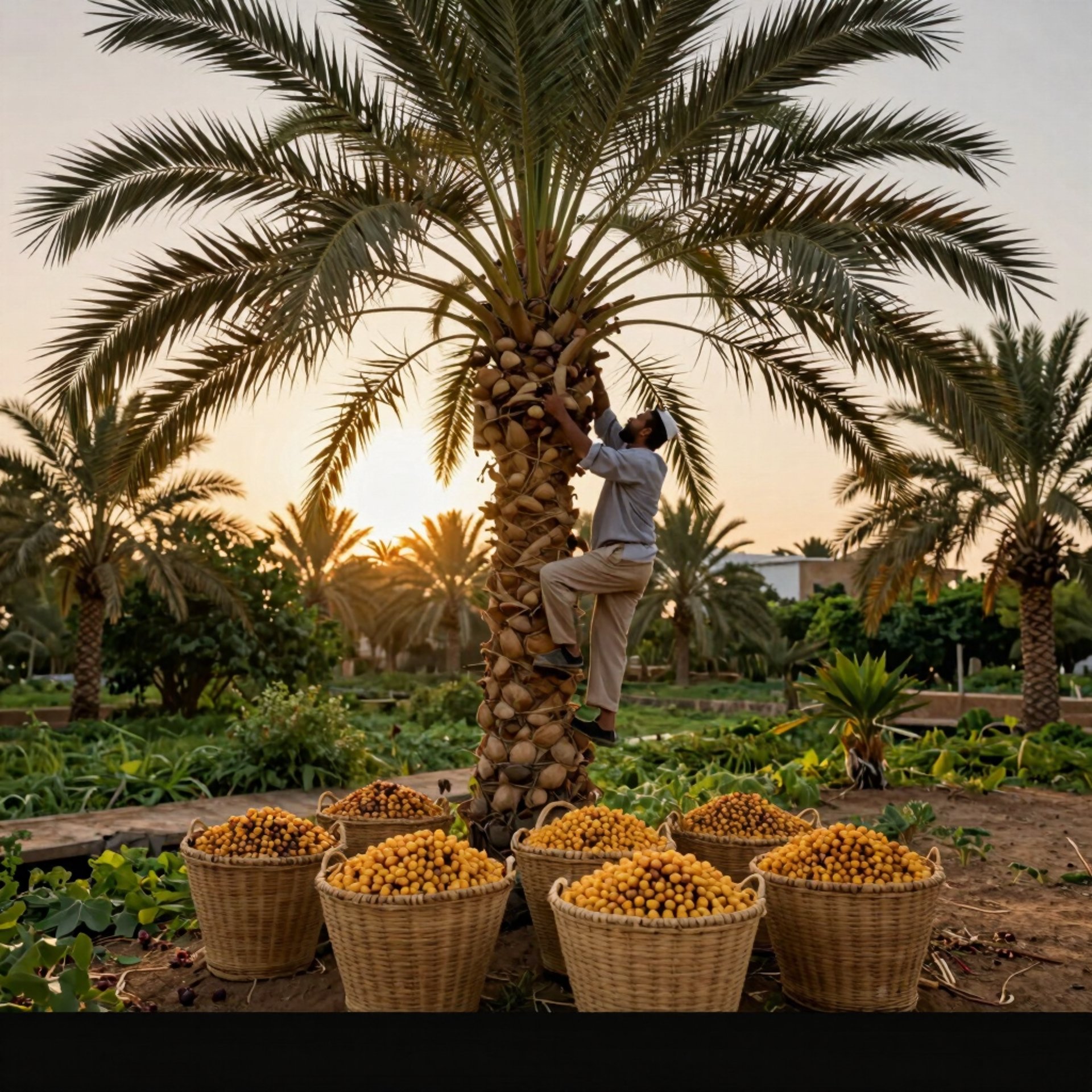
The date palm, notably the Deglet Nour, holds a pivotal place in Tunisian culture and tradition. This exquisite variety is celebrated not only for its unique flavor and texture but also for its roots deep within the history and social fabric of Tunisia. Dates have historically been a staple food source in arid regions, providing essential nutrients necessary for survival. In Tunisia, they are often used in various culinary dishes, emphasizing their importance in both everyday meals and special occasions.
Throughout the year, dates are featured prominently in ceremonies and celebrations. One of the most significant events is the annual date harvest festival, where local farmers come together to showcase the fruits of their labor. This festival is more than just a celebration of agriculture; it serves as a platform for cultural exchange and an opportunity to preserve and promote Tunisian traditions. During the event, artisanal crafts, traditional music, and regional cuisine are highlighted, showcasing the integral role that dates, especially the Deglet Nour, play in Tunisian culture.
Moreover, dates are woven into many customs and rituals. They are often served to guests as a gesture of hospitality and are used in religious observances, particularly during Ramadan, when Muslims break their fast with dates. This practice not only demonstrates reverence for the fruit but also symbolizes generosity and the importance of sharing. As Tunisia continues to modernize, the Deglet Nour remains a cherished emblem of national identity, representing the harmony between agriculture and cultural heritage that defines the region.
The Economic Impact of Date Trade
The trade of dates, particularly the Deglet Nour variety, plays a pivotal role in Tunisia's economy. This exquisite date, often referred to as the "queen of dates," significantly contributes to the agricultural sector, which is a fundamental component of the nation’s economic framework. The cultivation and export of Deglet Nour not only bolster local revenue but also serve as a vital source of employment for thousands of Tunisians.
In rural areas, where agriculture remains the primary means of sustenance, date palm cultivation offers vital economic opportunities. By providing jobs in both cultivation and processing, the date trade directly supports the livelihoods of farmers and laborers. Additionally, the entire supply chain, from harvesting to marketing, creates further employment opportunities, thereby enhancing the overall social stability of these communities.
The export of Deglet Nour generates significant foreign currency inflows, contributing to Tunisia's trade balance. As a sought-after product in international markets, this date variety has established a strong demand in various regions, including Europe and North America. This demand not only enhances Tunisia's global trade relations but also promotes agricultural diversification.
Moreover, the economic impact of date trade extends beyond immediate financial benefits. The cultivation of Deglet Nour facilitates investments in rural infrastructure, such as irrigation systems and transportation networks, which are essential for the growth of the agricultural sector. These investments positively influence the quality of life in rural areas, resulting in improved access to education and healthcare services.
In summary, the trade of Deglet Nour embodies not just a significant economic activity but also a cornerstone for the development and sustenance of communities in Tunisia. Its contribution to the local economy, support for livelihoods, and generation of export revenues underscores the importance of dates in the nation’s economic landscape.
Conclusion: The Future of Tunisian Dates in Global Markets
As we look towards the future of Tunisian date exports, particularly focusing on the renowned Deglet Nour variety, it is imperative to consider current market trends and the inherent characteristics that enhance its global appeal. The demand for high-quality, organically grown products is rising, driven by consumer awareness regarding health and sustainability. This shift presents a unique opportunity for Tunisia to position itself as a leading supplier of premium dates.
The potential for growth in the export of Tunisian dates is ever-expanding, and farmers are increasingly adopting sustainable agricultural practices. These practices not only improve the quality of the dates but also ensure that the cultivation of date palms contributes positively to the local environment and economy. By implementing eco-friendly farming methods, Tunisian farmers can leverage the growing global demand for sustainably sourced products, thus paving the way for enhanced market presence.
Moreover, the strategic advantages provided by international trade agreements and a growing interest from foreign investors can facilitate the expansion of Tunisia's date industry. Collaborations with global retailers can enhance the visibility of Tunisian dates, especially in markets where health-conscious consumers are gaining traction. Furthermore, the historical and cultural significance surrounding the Deglet Nour dates adds an emotional layer, making them more than just a commodity but rather a symbol of tradition and quality.
In navigating the future, embracing innovation, sustainable practices, and effective marketing strategies will be pivotal in ensuring that the Deglet Nour remains at the forefront of the global leaderboards in the agricultural sector. The stunning map of Tunisia not only highlights the fertile regions dedicated to date cultivation but also symbolizes the resilience and growth potential of the Tunisian date industry in a highly competitive market.
Heritage
Connecting farmers with global markets for freshness.
Sustainability
Quality
Contact@dhafria.com
© 2025. All rights reserved.