The Art of Date Palm Cultivation: A Tunisian Farmer's Journey


Introduction to Date Palm Cultivation
The date palm, scientifically known as Phoenix dactylifera, plays a crucial role in Tunisia's cultural and economic landscape. This resilient tree, known for its ability to thrive in arid environments, has been cherished for millennia, symbolizing prosperity and sustenance. Tunisia, with its favorable climate and soil composition, is one of the world's leading producers of dates, particularly the highly sought-after Deglet Nour variety. This fruit not only serves as a staple food source for many locals but also significantly contributes to the nation's export economy.
Date palms are associated with various aspects of Tunisian life, from culinary uses to traditional practices. The cultivation of these trees is deeply embedded in the cultural fabric of Tunisia, with farmers employing techniques passed down through generations. One of the most notable practices is the careful hand-pollination of flowers, which is essential for fruit development. Each tree is tended to individually, reflecting the dedication and craftsmanship inherent in Tunisian date farming.
The economic importance of date palms cannot be overstated. They provide employment opportunities for countless families, particularly in rural areas where alternatives may be limited. The harvest, which occurs annually, is a time of celebration and community spirit, as farmers come together to share in the fruits of their labor. Additionally, the dates themselves have found international markets, bringing revenue into the country and fostering a sense of pride among Tunisian farmers.
As we delve deeper into the journey of a Tunisian farmer in the subsequent sections, we will gain insights into the day-to-day challenges and triumphs faced while nurturing these valuable trees, further emphasizing the significance of date palm cultivation in Tunisia.
The Traditional Attire of the Tunisian Farmer
The attire of Tunisian farmers embodies a rich cultural heritage while serving practical purposes in the agricultural landscape. Central to this traditional dress is the chechia, a distinctive hat that is not only a symbol of Tunisian identity but also a functional item aiding in sun protection during long hours in the fields. The chechia, often crafted from wool or cotton, is designed to keep the head cool and is traditionally adorned in vibrant colors, reflecting the local culture and the region's historical influences.
Accompanying the chechia is the jebba, a long tunic that provides ease of movement, essential for a farmer’s daily manual labor. This garment is typically made from lightweight fabric, which allows for ventilation, thus making it suitable for the warm Mediterranean climate. The jebba is often decorated along the edges with intricate embroidery, showcasing the artisan skills passed down through generations. Both pieces of clothing not only fulfill practical needs but also convey a sense of belonging and pride among Tunisian farmers.
The cultural significance of these garments extends beyond their immediate functionality; they are emblematic of the Tunisian farmer's identity. Wearing the jebba and chechia, farmers express their connection to their land and its traditions. Furthermore, during community gatherings and local festivities, these traditional outfits are worn with pride, signifying unity and shared heritage. As Tunisia embraces modernization, the enduring presence of the chechia and jebba remains a testament to the resilience of cultural practices, uniting farmers in their dedication to the land and their roots.
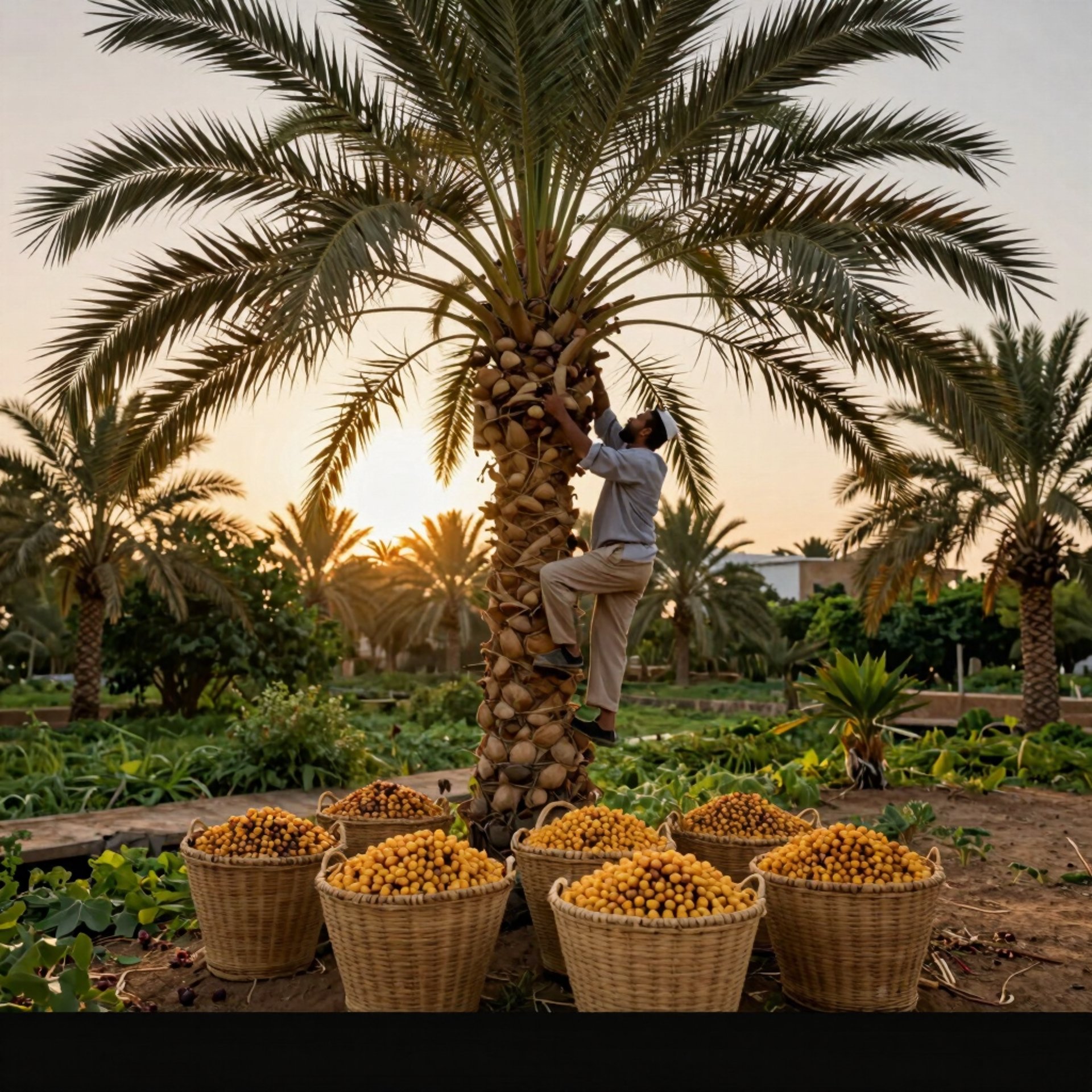
Climbing date palms is an intricate skill that combines both technique and safety awareness. In Tunisia, where these majestic trees grow tall and bountiful, farmers have perfected the art of the ascent. The journey begins at dawn, as the soft morning light filters through the leaves, providing the ideal conditions for farmers to scale the towering trunks. One crucial tool in this endeavor is the palm climbing harness, known locally as a habool, which offers stability and support while navigating the complex structure of the tree.
The technique of climbing involves wrapping the habool securely around the body while utilizing the feet and hands to grip the trunk effectively. As farmers ascend, they must be acutely aware of their body positioning and the surrounding environment. Climbers often engage in a rhythmic motion, pushing against the bark with their feet while using their arms to pull themselves higher. This interplay of strength and balance is essential in maintaining control as they rise to reach the sweet fruit at the top.
Safety measures play a paramount role in the climbing process. Farmers are trained to assess the condition of the palm prior to climbing, ensuring there are no hazards such as rotting wood or loose fronds that could pose risks. Often, a fellow worker will be stationed below to assist in case an emergency arises. Wearing protective gear, including gloves and sturdy footwear, further minimizes the potential for injury. Each climb is regarded not just as a task, but as an art form that calls for experience, confidence, and a profound respect for the tree and its habitats.
The experience of climbing these venerable date palms is not without its challenges, but it is also a labor of love. For many Tunisian farmers, the act of ascending a date palm is a connection to their heritage and their commitment to sustainable agricultural practices.
Hand Pollination in Date Palm Cultivation
Hand pollination, known locally as tabal, is an intricately involved process that plays a crucial role in the cultivation of date palms. This traditional technique is essential for ensuring a successful date crop, particularly in regions like Tunisia, where environmental conditions may not always favor natural pollinators. The reliance on hand pollination stems from the unique reproductive structure of the date palm, which is dioecious, meaning that it has separate male and female trees. As a result, without intervention, the flowering of female trees may not receive the necessary pollen from males, leading to reduced fruit set.
The hand pollination process begins at the onset of flowering, typically from March to June. Farmers first identify the flowering spikes of the male and female palms. Subsequently, a skilled laborer collects pollen from the male flowers. This is often done in the early morning when the pollen is most viable. Once collected, the pollen is carefully transported in a dry container to the female palms, where the actual pollination occurs.
Using a brush or their fingers, the farmer applies the male pollen to the stigmas of the female flowers, ensuring thorough coverage. This meticulous process can last several weeks, as multiple rounds of pollination may be needed depending on the flowering phase of the female palms. The labor-intensive nature of hand pollination not only enhances the yield but also significantly improves the quality of the dates produced. Quality falls into comprehension by the taste, size, and overall condition of the fruits, which are paramount to market demand.
In conclusion, while modern techniques are emerging, hand pollination remains a cornerstone of date palm cultivation in Tunisia. Its significance cannot be overstated, as it directly influences both the quantity and quality of the date harvest, making it a vital practice for farmers dedicated to producing top-grade dates.
The Impact of Sunrise on Farming Practices
The phenomenon of sunrise holds considerable significance in the realm of agriculture, particularly in the cultivation of date palms. As the first light of day breaks over the horizon, it casts a golden glow that not only illuminates the landscape but also enhances the farmer's mood and productivity. The serene beauty of dawn serves as an invitation to commence daily tasks, fostering a sense of motivation to engage fully in the demands of the farm.
Sunrise acts as a natural cue for various farming activities. For instance, many farmers find that the cool morning temperatures and gentle light create the ideal conditions for planting, watering, and harvesting crops. The early hours are often utilized for important tasks that require precision and care, which are vital for the healthy growth of date palms. The tranquil atmosphere of this time of day allows farmers to focus on their work without the distractions often encountered later in the day.
Moreover, the physiological impact of sunlight during sunrise is beneficial for both plants and pollination. Morning light stimulates photosynthesis, maximizing energy absorption during the early hours. This process is crucial for the growth and development of crops, including date palms. Additionally, the warmth that follows the initial morning chill encourages pollinators, such as bees, to become active, thus enhancing fertilization and subsequent fruit production. Therefore, the harvest of date palms is not only influenced by the thoroughness of farming practices but also by time-sensitive factors such as the onset of daylight.
In conclusion, the importance of sunrise in farming practices cannot be overstated. From enhancing the farmer’s productivity and mood to promoting the physiological benefits that aid plant and pollination processes, the golden morning light plays a pivotal role in the journey of date palm cultivation. By recognizing and embracing these moments, farmers can optimize their efforts and yield a fruitful harvest.
Transforming Desert into Oasis: The Role of Sustainable Practices
The transformation of arid landscapes into fertile oases is an exemplary testament to the potential of sustainable agricultural practices. In Tunisia, date palm cultivation has become a crucial method for rehabilitating desert areas, leading to enhanced biodiversity and improved environmental conditions. This process not only supports local agriculture but also contributes to the larger ecosystem in the region.
One significant sustainable practice adopted by Tunisian farmers is the use of natural mulch, specifically derived from palm fronds. When these fronds are shredded and spread on the soil, they serve multiple purposes: they help retain moisture, suppress weeds, and gradually decompose to enrich the soil with organic matter. This practice, in essence, creates a microclimate that is conducive to the growth of date palms and other crops.
Furthermore, sustainable irrigation techniques, such as drip irrigation, have become increasingly popular among farmers in arid regions. This method allows for the efficient use of water resources, minimizing waste while ensuring that the date palms receive the necessary hydration. By employing such techniques, farmers can sustain their crops even in periods of low rainfall, thus gradually transforming the desert landscape into a lush green oasis.
Moreover, the integration of diverse cropping systems fosters biodiversity, allowing for the coexistence of various plant species. This approach not only enhances soil health but also attracts pollinators and beneficial insects, further promoting a balanced ecosystem. Thus, Tunisian farmers are not only able to cultivate date palms but also contribute to the preservation of their natural environment.
In conclusion, by embracing sustainable practices, Tunisian farmers are successfully transforming their deserts into thriving oases. These practices not only enhance agricultural productivity but also bolster ecological resilience, contributing to a sustainable future for the region.
Conclusion: The Future of Date Palm Farming in Tunisia
As Tunisia stands at the crossroads of tradition and modernity, the future of date palm farming presents a unique blend of challenges and opportunities. Throughout the journey of a Tunisian farmer, it has become increasingly clear that the preservation of traditional farming techniques plays a crucial role in the sustainability of date palm cultivation. These practices, honed over centuries, not only safeguard the quality and flavor of the dates but also foster a deep-rooted connection to the land and local heritage.
However, the agricultural landscape is evolving. The integration of modern agricultural technologies offers significant potential to enhance productivity and soil health. In Tunisia, these innovations can lead to more efficient irrigation techniques and improved pest management solutions, allowing farmers to optimize their yields while minimizing environmental impact. By harmonizing traditional methods with these advanced practices, farmers can ensure the resilience of date palm cultivation in an ever-changing climate.
Moreover, the global demand for dates is steadily rising, providing Tunisian farmers with a lucrative opportunity to expand their market reach. This demand necessitates a focus on improving the quality of the product and exploring new marketing strategies, which can further elevate the status of Tunisian dates on the international stage.
In conclusion, the evolution of date palm farming in Tunisia is marked by a commitment to balance the rich heritage of traditional farming methods with the innovations of modern agriculture. By embracing this duality, Tunisian farmers are not only ensuring their economic viability but also securing the legacy of date cultivation for future generations. As they navigate this path, fostering a greater understanding of sustainable practices will be essential in maintaining both the cultural and ecological integrity of date palm farming in Tunisia.
Heritage
Connecting farmers with global markets for freshness.
Sustainability
Quality
Contact@dhafria.com
© 2025. All rights reserved.